Consider supplements with natural ingredients to give your body what it needs to work at its best. Alcohol is a popular substance, especially in polydrug use such as cocaine and benzodiazepines. If left untreated, alcohol dependence can transition into an alcohol use disorder. The health concerns of an alcohol use disorder are usually enough to cause someone to embrace moderation. Drinking water can prevent dehydration, which may cause unclear thinking, mood change, overheating, constipation, and kidney stones. Water has no calories, so replacing sugary drinks with plain water can help reduce caloric intake.
How Long Does Brain Fog From Alcohol Last?
Over time, they can support a healthier relationship with your thoughts, emotions, and choices. We often don’t realize it, but water actually helps our brain cells communicate with each other. When we’re dehydrated, our brain function can become significantly impaired. This is why people who are severely dehydrated get easily confused and disoriented — sometimes even becoming delirious.
Brain fog after drinking can derail your entire day, affecting everything from work performance to personal relationships. Discover why brain fog happens, when it’s more than a hangover, and what you can do to clear your mind for good. Older individuals or those with liver impairment may process alcohol more slowly, leading to prolonged symptoms. People who mix alcohol with other substances, such as marijuana or prescription medications, may also experience longer-lasting cognitive effects.
- At work, you might miss deadlines, make mistakes, or struggle to participate in meetings.
- However, achieving these savings requires more than just avoiding the bar.
- By incorporating physical activity into your daily routine, whether it’s a brisk walk, yoga, or even dancing, you can enhance cognitive functioning and alleviate brain fog.
- While you might not feel up for your typical Sunday morning spin class, a walk around the block helps when you have a hangover.
- Additionally, incorporate foods with omega-3 fatty acids, like salmon and walnuts, which support cognitive function.
Brain Fog Remedies in Addiction Recovery
These factors include the severity of the addiction, how long the individual has been drinking, and other underlying health conditions. Alcohol-related brain fog can generally brain fog after drinking last several days to weeks after quitting drinking. You must prioritize self-care and engage in healthy habits to support cognitive function during this time. After a night of heavy drinking or downing some heavy liquor, have you ever felt hungover and confused the next morning?
- For others, it becomes a chronic condition impacting not only their intellectual functions, but their mood as well.
- We offer comprehensive addiction and mental health treatment programs that blend evidence-based therapies with personalized care.
- Alcohol impairs GABA, a calming neurotransmitter that reduces anxiety and stress levels in the brain.
- Keep reading to discover how you can enjoy your social life while maintaining sharper cognitive health and learn how to get rid of brain fog migraine.
Reach out now and join our supportive
Brain fog recovery time can be impacted by the severity of alcohol abuse, mental health issues, and lifestyle habits. Taking proper steps to treat these issues can help minimize its duration. The alcohol withdrawal symptoms begin when you stop drinking alcohol following an extended period of alcohol abuse. Both alcohol cravings and alcohol withdrawal symptoms contribute to cognitive problems in recovery. Your head seems to be in the cloud after binge drinking with your siblings. This morning you’ve lost your phone, keys, and charger all within an hour.
Brain Fog After Drinking: Is It Just a Hangover or Something More?
For most people, symptoms clear within 24 to 72 hours after their last drink. However, for frequent or heavy drinkers, brain fog may persist longer and become a sign of more serious cognitive issues or alcohol-related brain changes. In these cases, how quickly brain fog goes away depends on several factors, such as the severity of alcohol misuse, how long we’ve been drinking, and our overall health status. These people usually require professional medical attention to be treated effectively. Alcohol-induced brain fog is a state of confusion, lack of focus and mental obscurity that can occur after drinking alcohol and during withdrawal. Energy levels, often sluggish in regular drinkers, rebound dramatically after three months of sobriety.
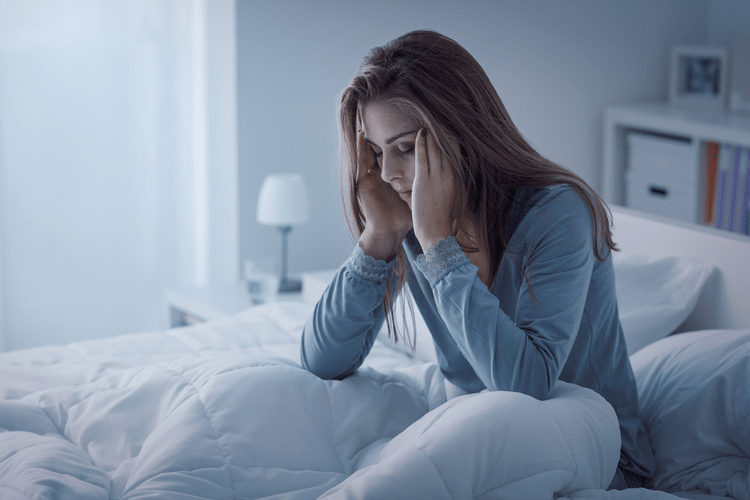
The Importance of Counseling and Therapy
In addition to these therapies, medication and lifestyle changes can also be beneficial in addiction treatment. Medications such as Naltrexone and Acamprosate can help reduce cravings and prevent relapse, offering a powerful tool in the fight against addiction. This site offers health, wellness, fitness and nutritional information and is designed for educational purposes only. You should not rely on this information as a substitute for, nor does it replace, professional medical advice, diagnosis, or treatment. If you have any concerns or questions about your health, alcohol rehab you should always consult with a physician or other health-care professional.
You probably don’t feel mentally prepared for much beyond Netflix, but you can begin to banish brain fog by encouraging those synapses to fire. Download an easy word puzzle app or go old-school with a book of crosswords or Sudoku. By the end of the day, you’ll be confident enough to switch from pencil to pen. These symptoms can make completing everyday tasks or engaging in social situations challenging. These challenges can cause further feelings of frustration and isolation. You’ll save approximately 960 calories weekly by giving up six 175ml glasses of wine, or around 1,080 calories by eliminating six pints of average strength lager.
However, if you have alcohol use disorder (AUD), the brain fog may last longer due to persistent cognitive impairments. This is because alcohol has a dehydrating effect on the brain, which can cause cells to shrink. As the cells shrink, the brain’s ability to process information is impaired.
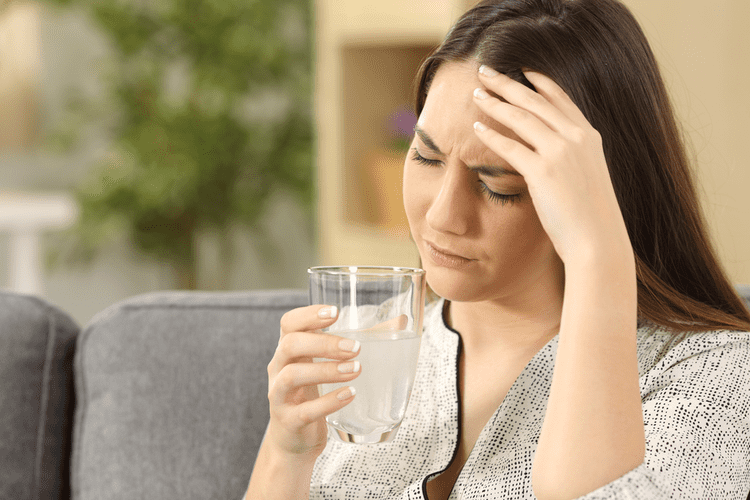
Staying hydrated is crucial, so drink water alongside your alcoholic beverages to counteract dehydration. Alcohol disrupts the delicate balance of neurotransmitters, particularly in the prefrontal cortex, which is responsible for decision-making, impulse control, and cognitive performance. This imbalance can result in reduced mental clarity, impaired judgment, and increased risk-taking behaviors. Warren is a Licensed Master Social Worker, who specializes in substance abuse and mental health treatment. Clinically, Warren has developed a therapeutic skillset that utilizes a strengths-based perspective, Twelve Step philosophies, Cognitive Behavioral Therapy and Motivational Interviewing.
Marine Guloyan, MPH, ACSW brings over 10 years of experience working with individuals facing trauma, stress, and chronic physical or mental health conditions. She draws on a range of therapeutic approaches including CBT, CPT, EFT, Solution Focused Therapy, and Grief Counseling to support healing and recovery. At Quest2Recovery, Marine applies her expertise with care and dedication, meet Marine and the rest of our team on the About page. A study from 2013 also showed that dehydration from moderate alcohol consumption has a significant effect on cognitive function. Moderate drinking is typically defined as one drink or more for women, two drinks or more for men, or anything that raises your blood alcohol level to 0.08% or higher.
Getting rid of brain fog after drinking alcohol can help you focus on recovery. Sometimes, brain fog may go away on its own within a few days or weeks after quitting drinking. This can be especially true for individuals who have not been drinking for an extended period or who have mild to moderate alcohol use disorder. If you are experiencing brain fog after quitting drinking, you http://www.konsultllc.us/community-health-plan-drug-rehab-coverage/ may wonder if it will go away on its own. These factors include the severity of the alcohol abuse, how long the individual has been drinking, and overall health status.
