
In general, C corps tend to be larger companies and S corps tend to be smaller businesses or sole proprietorships, but that’s not always the case. Indeed, there is plenty of gray territory when it comes to deciding the most strategic tax status for growing small- and mid-size companies, including LLCs (which we’ll discuss later). While each C and S corporations each have their pros and cons, the nature and goals of your business will determine which one best suits your needs. It may be appropriate to break up a single liability into their current and non current portions. For instance, a bank loan spanning two years and carrying 2 equal installments payable at Foreign Currency Translation the end of each year would be classified half as current and half as non-current liability at the inception of loan.

Insurance Requirements
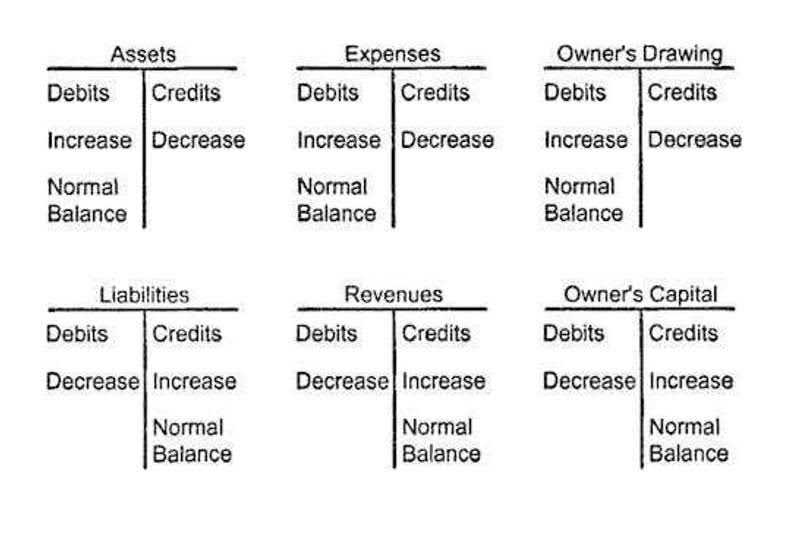
Below is a break down of subject weightings in the FMVA® financial analyst program. As you can see there is a heavy focus on financial modeling, finance, Excel, business valuation, budgeting/forecasting, PowerPoint presentations, accounting and business strategy. You should also reconcile each liability account by comparing the balance in your system with source documents like loan statements, payroll reports, or tax filings. This helps catch mistakes early and keeps your clients’ books clean.
- The assets of an individual or an organisation will be resources such as cash, property, or gear.
- Barriers to entry are a crucial concept in understanding monopolization and abuse of dominance.
- If a business owner has limited liability, then a creditor of the business cannot go after the business owner personally to settle claims against the business.
- Review your coverage limits carefully and compare policies to ensure adequate protection tailored to your needs.
- Choosing the appropriate business structure is important and should not be taken lightly.
- All information, software and services provided on the site are for informational purposes and self-help only and are not intended to be a substitute for a lawyer or professional legal advice.
- Ideally, a company pays all its current liabilities out of its current assets, i.e. out of the income it generates from its operations.
Example 1 – Current Liabilities
The web pages currently in English on the DMV website are the official and accurate source for the program information and services the DMV provides. Any discrepancies or differences created in the translation are not binding and have no legal effect for compliance or enforcement purposes. If any questions arise related to the information contained in the translated website, please refer to the English version. To prevent a vehicle registration suspension, you must notify DMV before you cancel your insurance. If you are not operating your currently registered vehicle, and it is not parked on a California roadway, you may submit an Affidavit of Non-Use (ANU) (REG 5090) (PDF) to DMV. The content currently in English is the official and accurate source for the program information and services DMV provides.
Friendly & Helpful Insurance Representatives
A liability obliges a company to make a payment or provide a service. Here we show you what types of liabilities there are, how they are financed and why a company should always keep an eye on them. These liabilities help businesses acquire capital assets by providing the required capital. Businesses can also invest in new capital projects using the funds obtained from long term debts or liabilities. Liabilities are generally divided into many categories; two of those categories are current liabilities and long-term liabilities.
Cash Application Management
If you’re found at fault, the insurer negotiates settlements or provides legal defense and pays settlements up to your coverage limits. After you purchase insurance that’s required by law, you can find insurance to cover any other business risk. As a general rule, you should insure against things you wouldn’t be able to pay for on your own. You also may be legally required to purchase certain types of business insurance. Suppose a contractor provides a service, such as landscaping, and accidentally damages a client’s driveway while performing the work.
- Domestic LLCs may be managed by one or more managers or one or more members.
- Current Liabilities – Obligations which are payable within 12 months or within the operating cycle of a business are known as current liabilities.
- Unlike partnerships or corporations, sole proprietorships do not create a separate legal identity for the business.
- They are recorded only when payment is probable and can be reasonably estimated.
- Whether current or long-term, liabilities are integral to the intricate web of financial dynamics that shape an organization’s success.
- Effective liability management is critical for sustaining liquidity, managing financial responsibilities, and making sound company decisions.
- They’re like financial band-aids—useful in the short term but not a long-term fix.
A liability is a financial obligation a company owes https://ibnulabbas.com/financial-leverage-ratio-calculator/ to other parties. These stem from past transactions or events and result in an outflow of resources, usually in the form of money, products, or services. Liabilities are reported on a company’s balance sheet and determine its financial health.
Financial Close Solution
- This balance sheet component assists firms in accelerating value creation and organizing business processes.
- Accounts Payable – Many companies purchase inventory on credit from vendors or supplies.
- Professionals like lawyers, doctors, and accountants typically use limited liability partnerships (LLP).
- LawDepot’s Release of Liability covers several scenarios—such as a general release of claims, motor vehicle accident, debt settlement, activity waiver, damage to property, personal injury, or mutual release.
- Businesses can also invest in new capital projects using the funds obtained from long term debts or liabilities.
- Some of the liabilities in accounting examples are accounts payable, Expenses payable, salaries payable, and interest payable.
In sole proprietorships and partnerships, if one of the owners passes away or declares bankruptcy, the company is dissolved. Therefore, they are protected from this situation and will continue to exist even if the owner of the business passes away. Insurance plays a types of liabilities critical role in mitigating third-party liabilities by providing financial protection against potential losses. Stakeholders can purchase various types of insurance, including P&I insurance, cargo insurance, passenger liability insurance, and environmental liability insurance. A Holding Company is a ‘parent company’ that owns one or more daughter companies which are wholly-owned subsidiaries. The parent company is not often involved in daily operations of the subsidiaries.
